Co-Create or Die! Key MIT Insights on AI’s Impact in R&D
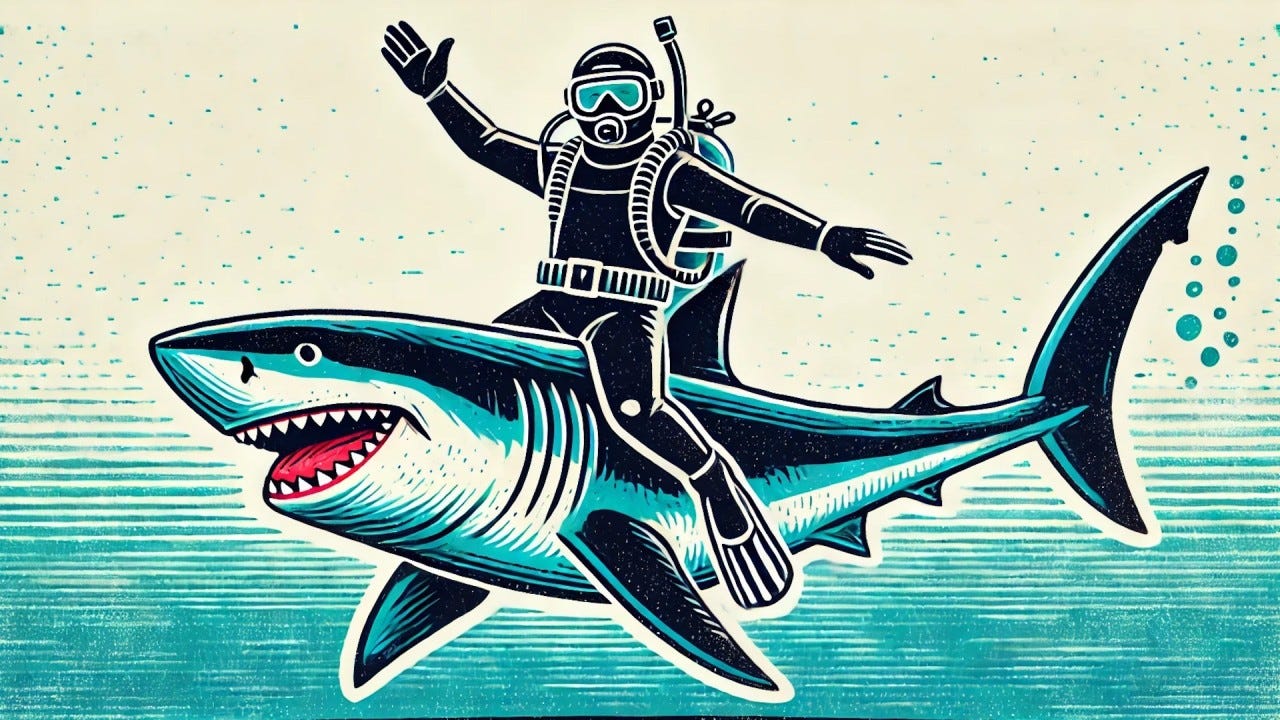
“You have to swim with the sharks in the sea…” — Johnny Clegg, “Cruel, Crazy, Beautiful World,” 1989
Is generative AI the end of creativity? Not at all. Designers are now swimming alongside AI—not being replaced but gaining a powerful ally, for now. According to MIT’s recent study, Artificial Intelligence, Scientific Discovery, and Product Innovation by Aidan Toner-Rodgers, AI is a transformative partner reshaping R&D. Here’s a breakdown of key insights and their implications for designers:
- More Innovation: Scientists using AI discovered 44% more novel materials, leading to a 39% rise in patent filings and a 17% boost in prototypes. For designers, this could mean faster ideation and exploration of creative possibilities.
- More Novel Ideas: AI-driven discoveries introduced unique innovations instead of mere upgrades. This suggests that AI has the potential to push designers beyond simple refinements, opening entirely new avenues in form, function, and concept.
- Unequal Benefits: Only the most productive scientists saw significant gains, while others benefited less. This insight implies that designers who excel at developing and filtering ideas are best positioned to leverage AI effectively.
- Evaluation is Key: While AI generates more ideas, scientists spent extra time determining which were valuable. Designers may likewise need to sharpen their “curation” skills to select the most promising AI-generated designs.
- Expertise Matters: Scientists with strong judgement skills thrived, focusing on promising ideas and ignoring noise. For designers, AI doesn’t replace expertise—it makes it even more crucial. Those who can discern quality in AI’s flood of options will excel.
- Productivity vs. Satisfaction: Despite increased productivity, many scientists reported feeling less satisfied, sensing that their creativity was underutilised. This emphasises that designers should develop AI tools that truly complement their creative strengths, rather than let AI define their process.
The Bottom Line: The best results come to those who know how to handle AI-generated ideas. Expertise and curation are essential as AI churns out concepts at unprecedented speed. The question isn’t “Will AI replace us?” but rather, “Will we adapt fast enough to co-create effectively?”
Generative AI can amplify our work—but those who excel will be the ones who turn AI’s raw output into refined creativity.
Check out the full MIT study on AI and Innovation from Aidan Toner-Rodgers here: